Not every handling problem out there needs emergency auto repair, but some certainly do. A total loss of steering, brakes that will not respond, or a tire blowout means you should stop driving immediately. A minor pull or occasional vibration can usually wait for a scheduled shop visit. Knowing the difference protects you and prevents a small issue from becoming dangerous on the road. At Automotive Alignments and Calibrations, we help North Hampton drivers tell the difference and respond safely.
What Counts as a Handling Emergency?
Some handling problems threaten your safety the moment they appear. These signs mean you should pull over and stop driving:
- Steering wheel suddenly feels loose or unresponsive
- Brake pedal sinks to the floor with no stopping power
- A tire blows out or loses air rapidly
- Grinding or metal-on-metal noise while turning or braking
- A wheel wobbles or feels like it could come loose
Any one of these signs means you should not keep driving.
Which Handling Problems Are Not Emergencies?
Plenty of handling issues build up slowly over days or weeks instead of appearing all at once. That gradual pattern is what separates a repair you can schedule from one that cannot wait. If a problem has lingered for a while without getting worse quickly, it is not an emergency. Our team still offers full auto repair services in NH to fix these before they get worse.
What Should You Do If It Happens While Driving?
If a handling emergency happens while you’re behind the wheel, act quickly but stay calm:
- Pull off the road as soon as it is safe, away from moving traffic
- Turn on your hazard lights so other drivers can see you
- Avoid heavy braking or sharp turns if your steering feels unstable
- Call for a tow rather than trying to drive to a shop yourself
Why Are Tire Blowouts a Roadside Emergency?
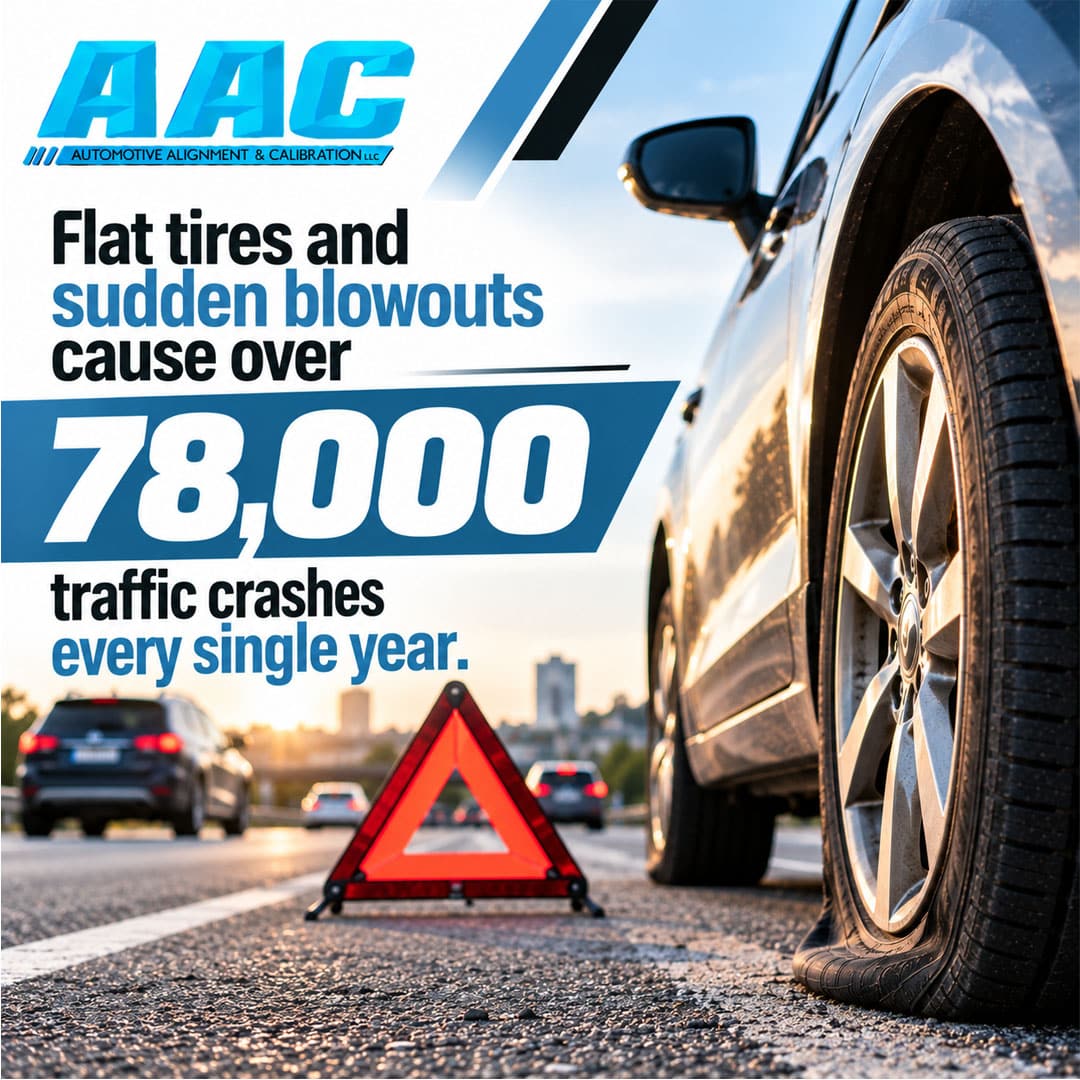
A sudden blowout can cause a driver to lose control in seconds. NHTSA data shows that flat tires and blowouts cause an estimated 78,392 crashes each year. That number shows why blowouts need fast action. It’s a top reason drivers need auto repair right away.
Why Is Sudden Brake Failure Different From Normal Wear?
Gradual brake wear gives you warning signs like squealing or a soft pedal over time. AAA explains that the parking brake works independently of the hydraulic lines as a backup system. Sudden brake failure gives you no warning at all, which is what makes it an emergency.
How Do We Handle Emergency Repairs?
When your vehicle arrives after a sudden failure, we prioritize the diagnosis so you are not left waiting without answers. Automotive Alignments and Calibrations offers collision-specific towing if a handling failure leads to an accident. We explain what caused the problem before starting any work, so nothing is a surprise. This is the kind of auto repair shop in North Hampton, NH, drivers count on when something goes wrong suddenly.
FAQs
- Is a flat tire always an emergency?
A slow leak can often wait, but a sudden blowout at speed should be treated as one.
- Should I keep driving if my brakes feel soft?
No, a soft or sinking pedal means you should stop and call for a tow right away.
Need Emergency Auto Repair Right Now?
If your vehicle feels unsafe to drive, do not risk it. Call Automotive Alignments and Calibrations at (603) 988-0300 or email aacofnh@gmail.com for help today.